Kaillou

Where to Find Gemstones in the US
The United States is one of the few countries where you can pay a small entry fee, pick up a shovel and look for a real diamond, or wash a bag of gravel in search of sapphires. Some of the best spots are public land; many are private fee-dig mines that welcome visitors. Here is what you can really find, where, and how likely you are to find it.
A word on vocabulary: strictly speaking, “precious stones” means four gems, diamond, ruby, sapphire and emerald. In everyday speech, people include every beautiful stone, and we use the word in that broad sense here.
Diamonds, in Arkansas
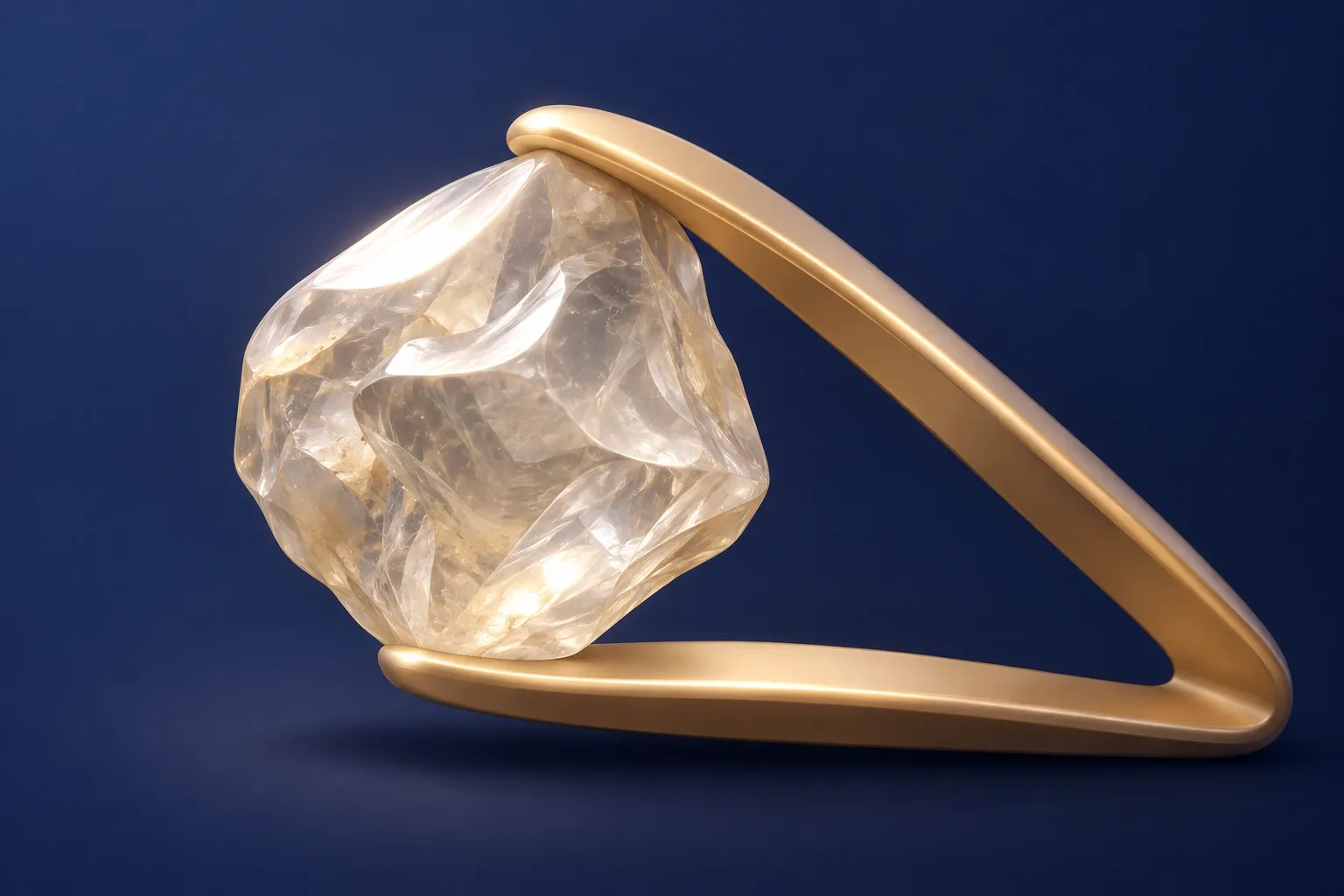
Crater of Diamonds State Park, near Murfreesboro in Pike County, is the only place in the world where the public can search for diamonds in their original volcanic source. The search area is a plowed field of about 15 hectares (37.5 acres) on the eroded surface of an old volcanic crater. You pay an entry fee, and you keep any rock or mineral you find; park staff identify your finds for free.
Visitors have found more than 37,000 diamonds there since the site became a state park in 1972, in white, brown and yellow. The largest ever unearthed in the United States, the 40.23-carat Uncle Sam, came from this ground. Keep your expectations in check, though: according to the Arkansas Geological Survey, only 734 of the diamonds reported between 1972 and 2007 weighed more than one carat. Most diamond finds are small. The field also yields amethyst, garnet, jasper, agate and quartz, which you may keep too.
Quartz crystal, around Mount Ida
Arkansas has a second treasure: quartz crystal, its official state mineral since 1967. In the Ouachita Mountains, it fills veins in old sandstones, and most recent mining has taken place in Garland and Montgomery Counties. Around Mount Ida, dig-your-own mines let you hunt for crystals for a fee and keep what you uncover. The US Forest Service also runs a free collecting site, Crystal Vista, in the Ouachita National Forest, south of Mount Ida.
Quartz is common in these mountains, but finds vary from one site and one visit to the next, and what takes patience is a clear, undamaged point.
Herkimer “diamonds,” in New York
Despite the name, a Herkimer diamond is not a diamond: it is a quartz crystal pointed at both ends, usually water-clear, sometimes smoky. These crystals grew in cavities of the Little Falls Dolostone, a rock about 500 million years old, in Herkimer County. The best-known collecting areas are near Middleville, along NY Routes 28 and 29, where several commercial mines let visitors prospect for a fee and rent tools.
The work is simple and tiring: you break open rocks with a hammer, or search the rubble for exposed crystals. Crystals range from a couple of millimeters to more than 20 cm (8 inches), and a single cavity can hold a few or a few thousand. But most cavities are empty, and Geology.com warns you might “break fifty rocks without finding a crystal.”
Emeralds and more, in North Carolina
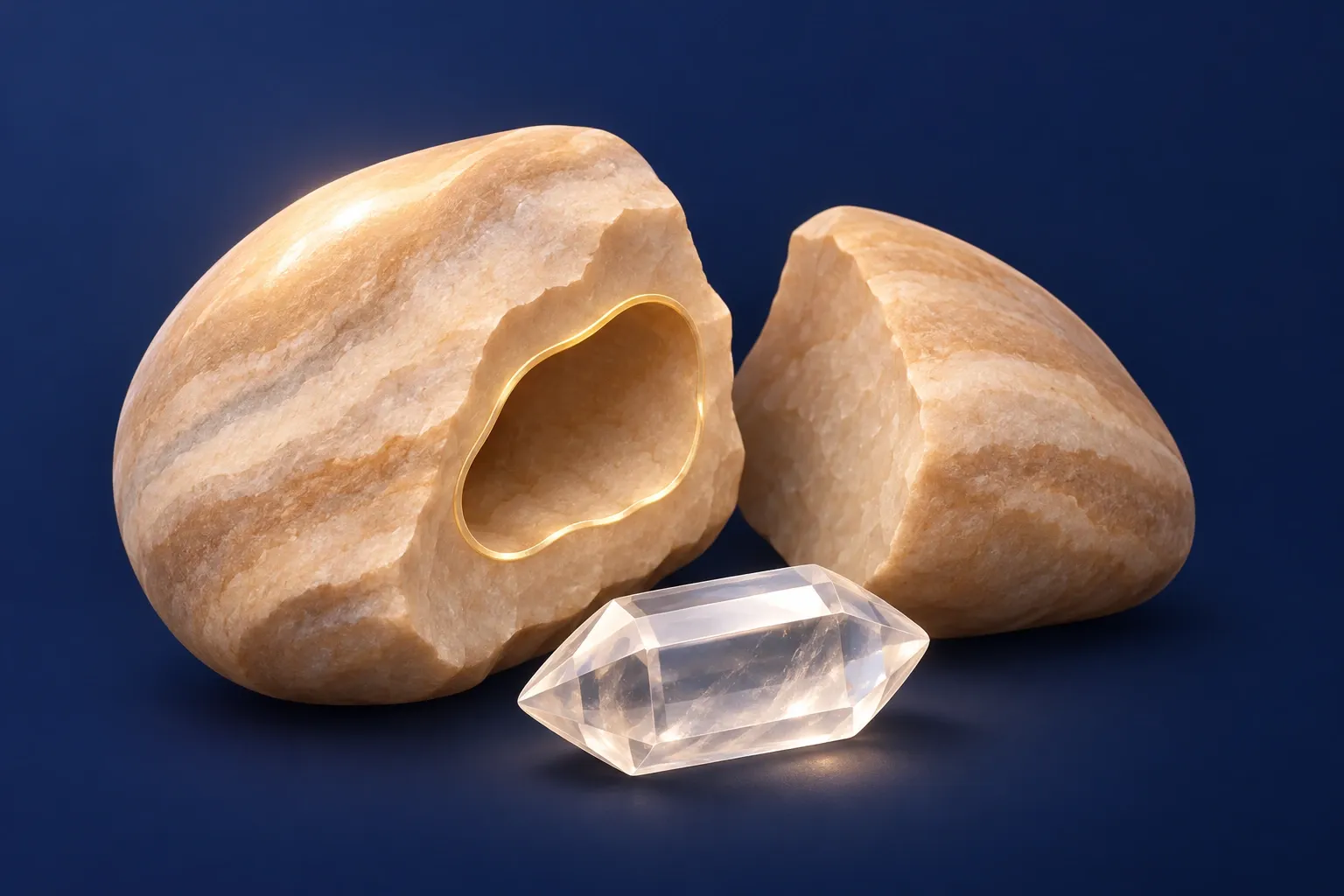
Emerald has been North Carolina’s official gemstone since 1973. The first documented emeralds in the state were found in Alexander County in 1874, and according to the North Carolina Geological Survey, the Hiddenite area is currently the most productive emerald-mining area in the United States. There, they form in cavities of quartz veins.
At Hiddenite, Emerald Hollow Mine presents itself as the only emerald mine in the world open to the public for prospecting. Every visitor needs a permit, which gives access to the sluiceway, the creek and the dig site. The mine says it holds more than 60 kinds of gems and minerals, among them emerald, aquamarine, sapphire, garnet, topaz, tourmaline and hiddenite. One caution: the “enriched” buckets sold for the sluiceway contain gemstones from all over the world, so what you find in one tells you nothing about Hiddenite.
Farther west, the Museum of North Carolina Minerals, at milepost 331 of the Blue Ridge Parkway near Spruce Pine, shows what the region’s mining area yields: feldspar, mica and very pure quartz. The Parkway is a National Park Service site, so there you look without collecting.
Sapphires, in Montana
Most of Montana’s sapphires lie in river gravels in the southwest of the state, on the bars of the Missouri River near Helena and along Rock Creek, near Philipsburg. Tourism matters so much there that GIA, the Gemological Institute of America, calls it an essential part of the business of local sapphire mines, and for some the only one. At Gem Mountain, on Rock Creek, you buy bags of gravel and wash them on site; on the Missouri River, Spokane Bar also sells gravel bags. Yogo sapphires, the state’s most famous, come from a hard-rock deposit where mining had been suspended for many years when GIA visited.
Be realistic about what the sieve will show. Most Montana sapphires found in gravel are pale, in pastel blues and greens, and many are heated to deepen their color. A 1993 study found that only about 8% of a historical Rock Creek sample had naturally strong enough color to be marketable as gems at the time. Mines open and close, so check that the one you have in mind still welcomes visitors.
Star garnets, in Idaho
The Emerald Creek Garnet Area, in the Idaho Panhandle National Forests, is one of only two places in the world where star garnets are found in quantity, says the Forest Service. When it is open, it works by ticket: you book a morning or afternoon slot on Recreation.gov, receive a mineral permit on arrival, and staff provide the tools to dig, sift and wash the gravel. Each person is limited to one permit per year and 0.9 kg (2 pounds) of garnet per day.
Check before you plan the trip: in June 2026, about two and a half weeks into the season, the Forest Service closed the site for the rest of the year because its supply of excavated material was exhausted. It has said it wants to dig more material from the creek for future seasons.
Sunstone, in Oregon
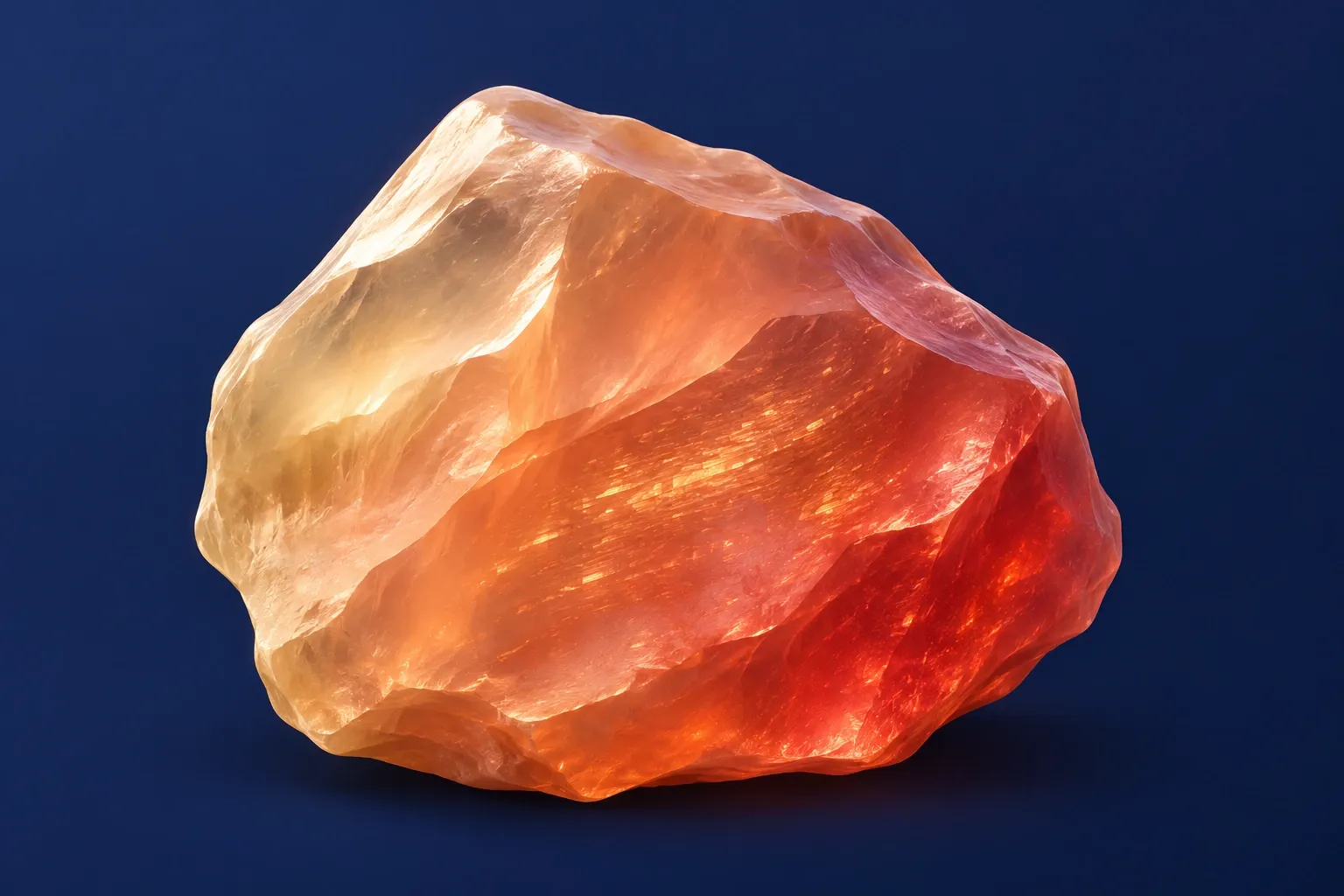
Oregon’s state gemstone since 1987, sunstone is a feldspar crystal that formed in lava: a volcano near Steens Mountain erupted some 13 to 14 million years ago, and weathering has since freed the crystals from the rock. The Bureau of Land Management (BLM) has set aside the Sunstone Collection Area, in Rabbit Basin, north of Plush, in the high desert of south-central Oregon. Collecting there is free, for personal use only, never to sell. The site is remote, with a toilet, picnic tables and shade, and you can camp in the area.
The color of a sunstone depends on its copper: according to Oregon’s geological survey, yellow stones carry about 20 parts per million, red ones about 200. Private mining claims surround the area, and some lie inside it: stay within the public collection area, marked with orange posts, and keep off every claim, including those inside its boundaries, unless you have the claimholder’s permission.
The rules before you go
- Private land needs the owner’s permission. Know whose land you are on, and ask before you collect. Fee-dig sites also set their own rules: read them before you dig.
- National parks are off limits. Federal rules generally prohibit removing rocks or minerals from National Park Service sites, including parkways and national monuments the Park Service manages, with a few specific exceptions: check the rules for the individual site.
- BLM land is generally open to hobby collecting. The BLM generally allows reasonable amounts of rocks, minerals and gemstones for personal, noncommercial use, with hand tools that cause only minor disturbance to the ground. Collecting is generally not allowed in developed recreation sites such as campgrounds, and only hand tools may be used in wilderness areas. In Oregon and Washington, for example, a reasonable daily amount is less than 113 kg (250 pounds). Ask the local BLM office.
- National forests allow small specimens, with local rules. Federal rules let you search for and occasionally remove small mineral specimens, pan for gold or use a metal detector without notifying the Forest Service, as long as you don’t disturb the ground significantly. Each forest can add its own limits, and some sites, like Emerald Creek, need a permit: check with the ranger district.
- Mining claims belong to someone. On BLM land, collecting on a mining claim is prohibited without the claimholder’s permission, and claims are not always clearly marked in the field.
- State rules vary. Arkansas lets you keep your diamonds at Crater of Diamonds, while California forbids removing rocks or minerals from its state parks, except where rockhounding is permitted. Check with the agency that manages the land.
- Leave the site as you found it. Fill in your holes, close the gates, and stay out of old mines.
Identify what you find
On site, photograph each find and note the place and date: keep them with the stone. Once home, take a photo of your find with Kaillou. Your first scan is free: the app suggests an identification, estimates its value and adds it to your collection. These are first leads: to have a gem authenticated or to know its value before selling it, show it to a professional. To recognize a gem in the field, also read how to recognize a gemstone in nature, and before you get your hopes up, how to tell if a rock is valuable.
Sources
- Heat Treating the Sapphires of Rock Creek, Montana, Gems & Gemology (GIA), 1993
- Crater of Diamonds State Park, Arkansas State Parks
- Gemstone and Quartz (Industrial), Arkansas Geological Survey
- Gem Hunting, Arkansas Tourism
- Herkimer Diamonds, Hobart M. King, Geology.com
- Emeralds, North Carolina Geological Survey, 2024
- Emerald Hollow Mine and its FAQ
- Museum of North Carolina Minerals Rock Garden, National Park Service
- Big Sky Country Sapphire: Visiting Montana’s Alluvial Deposits, Tao Hsu et al., Gems & Gemology, GIA, 2017
- Emerald Creek Garnet Area, Idaho Panhandle National Forests, Recreation.gov
- Emerald Creek Garnet Area closed for season due to depleted gem supply, The Spokesman-Review, 2026
- Sunstone Collection Area, Bureau of Land Management
- Fossils, Minerals and Gems, Oregon Department of Geology and Mineral Industries
- Oregon Almanac: D–H, Oregon Blue Book, Oregon Secretary of State
- 36 CFR 2.1, Preservation of natural, cultural and archeological resources, Legal Information Institute, Cornell Law School
- Rockhounding on Public Lands and Can I Keep This?, Bureau of Land Management
- Rock Collecting Guide, BLM Oregon and Washington
- 36 CFR 228.4, Plan of operations, notice of intent, Legal Information Institute, Cornell Law School
- Cal. Code Regs. tit. 14, § 4307, Geological Features, Legal Information Institute, Cornell Law School