Kaillou

How to Recognize Raw Gemstones in Nature
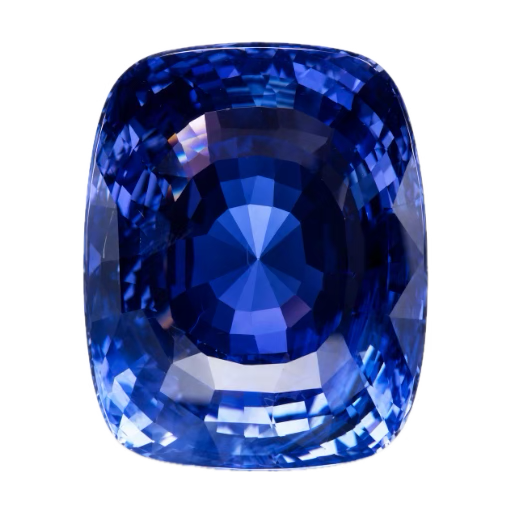
Forget the picture of a piece of jewelry. In nature, a gem is neither cut nor polished: it is often small, worn and dull on the surface, and at first glance nothing sets it apart from ordinary gravel. That is exactly why people walk right past it. Here are the clues that should catch your eye.
A Raw Gem Looks Nothing Like Jewelry
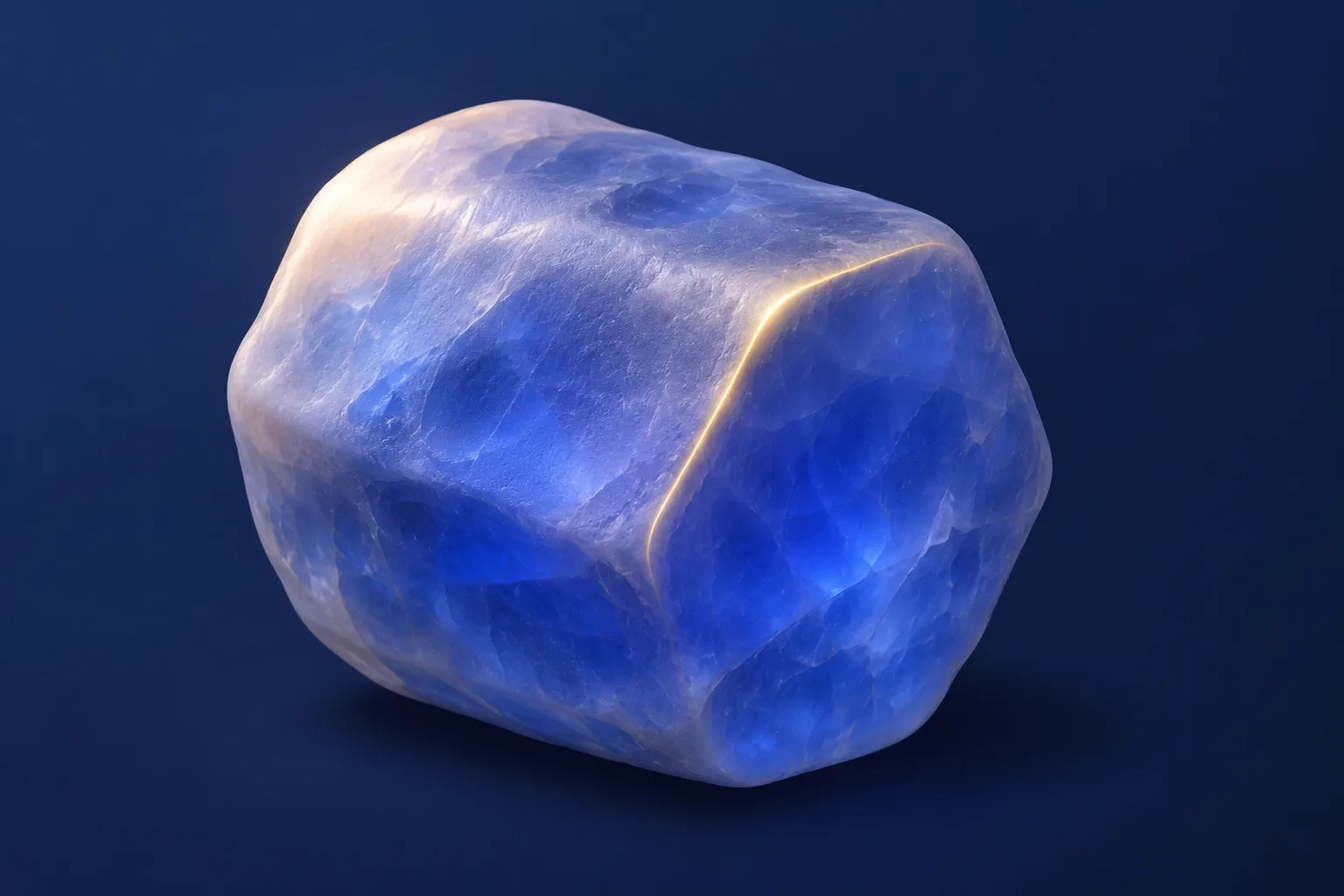
In the US, many of Montana’s sapphires come from river and creek gravels, such as the gravel bars of the upper Missouri River near Helena, where gold miners first found them in 1865. Volcanic activity is thought to have carried them to the surface; erosion then set them free and the water carried them off, battering them on the way: even crystals that still show their six-sided shape have a worn surface.
Their worn surface is often matte. Wetting them or holding them up to the light helps you see their color and transparency.
The Clues That Matter
Crystal shape. Even when worn, a gem often keeps a little of its original shape. It is not a signature, since one species can take several forms, but some shapes are good clues:
- corundum, of which sapphire and ruby are varieties, often forms six-sided prisms or small barrels;
- beryl, whose green variety is emerald, grows as hexagonal prisms, often elongated;
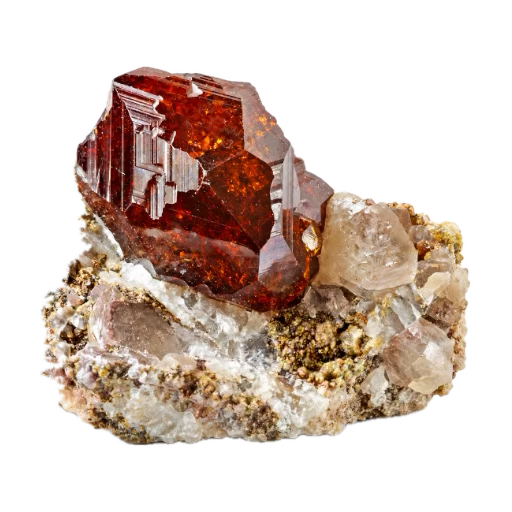
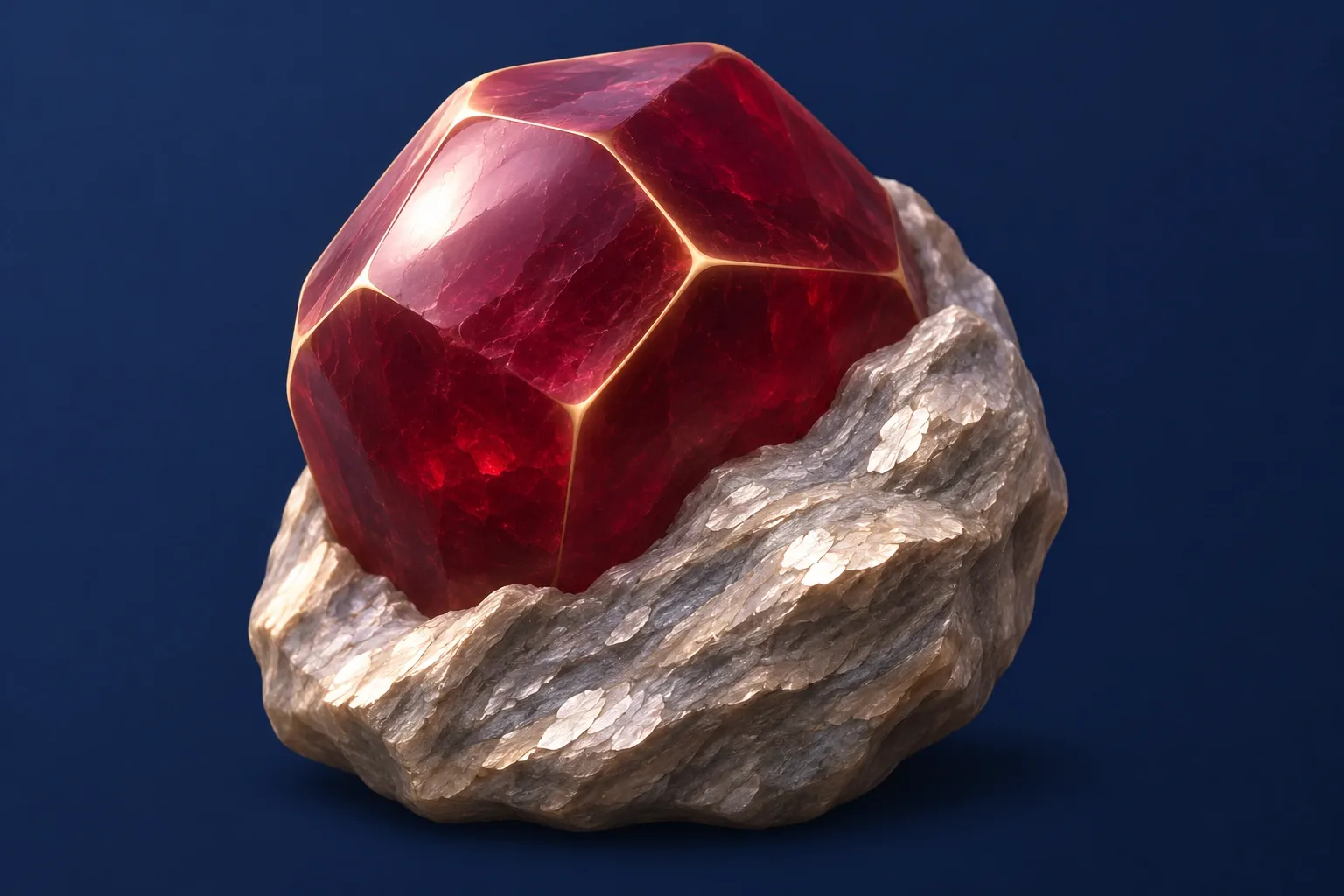
- garnet forms faceted balls, often with twelve rhombus-shaped faces, nestled in their host rock;
- diamond most often crystallizes as an octahedron, like two pyramids joined at the base.
Hardness. On the Mohs scale, diamond is a 10, ruby and sapphire a 9, emerald between 7.5 and 8; garnet, a little softer, falls between 6.5 and 7.5. All of them scratch glass, which has a hardness of about 5.5. But quartz, which is everywhere, scratches it too: this test rules out soft stones, it does not single out a gem. And the Mohs scale measures resistance to scratching, not to impact: a very hard stone can still crack or chip.
Weight. Corundum has a specific gravity of 3.9 to 4.1, and garnet 3.5 to 4.3, compared with 2.65 for quartz. At the same volume, a sapphire or a garnet is therefore noticeably heavier than quartz, although the difference can be hard to feel on a small grain. Emerald, on the other hand, is hardly heavier than quartz.
Look Where They Pile Up
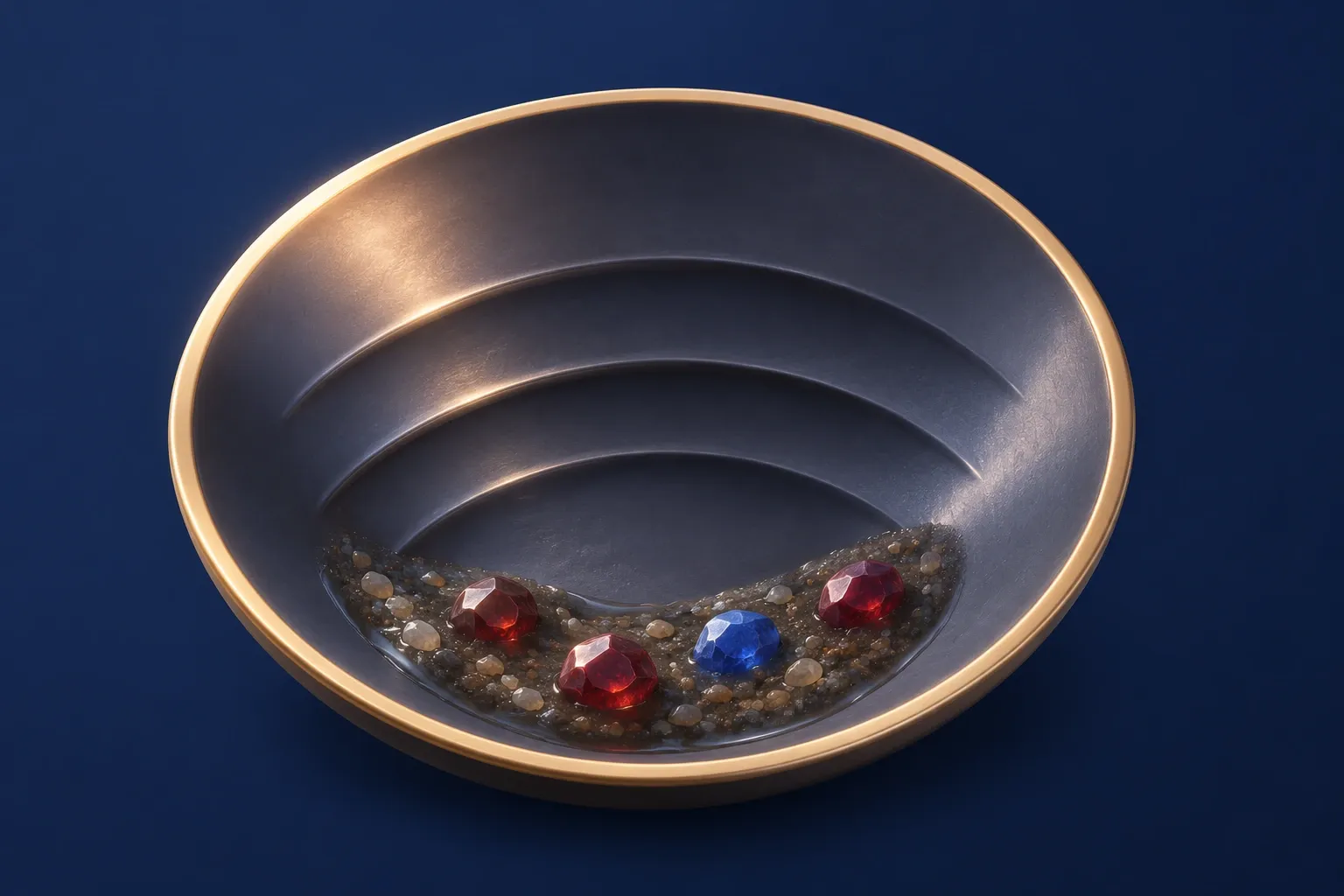
Some gems, such as corundum and garnet, resist weathering better than the rock that held them. Once freed, they are carried down to rivers, where the water sorts the grains by size and density: the heaviest ones collect in the same spots, in what geologists call a placer. That is where gold is found, but also sapphires and garnets.
The gold pan, the cone-shaped dish used by gold panners, takes advantage of this sorting. As you swirl it in the water, the light grains wash out first; the densest stay at the bottom. In Montana, Eldorado Bar, a sapphire mine on the Missouri River, relies on the same sorting, with water, screens and jigs; at tourist mines on Rock Creek and the upper Missouri River, visitors buy bags of sapphire-bearing gravel, wash them and sort what stays behind.
For diamonds, on the other hand, don’t get your hopes up on an ordinary walk: they only reach the surface through deep volcanic pipes. In the US, Crater of Diamonds State Park, in Arkansas, describes itself as the only place in the world where the public can search for diamonds in their original volcanic source: a plowed field on the eroded surface of a volcanic crater, where what you find is yours to keep.
The Most Common False Alarms
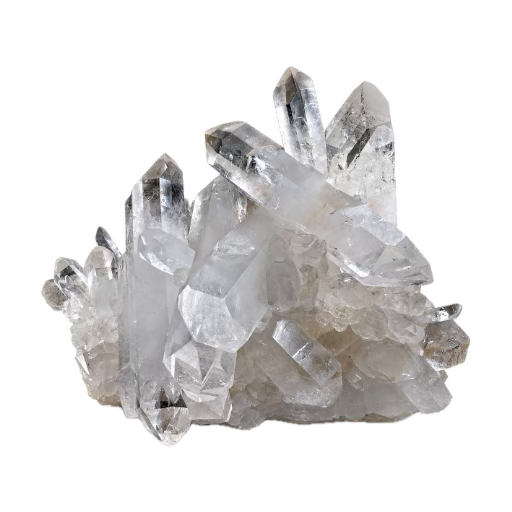
- Quartz. Transparent, hard, sometimes colored, and extremely common: if you pick up a “diamond” on a walk, think quartz crystal first.
- Glass. A shard tumbled by the sea or a river looks like a frosted gem. Under a loupe, round bubbles suggest glass without proving it: some natural stones, such as quartz, contain bubbles too. A quartz point will scratch glass, but don’t try it on a find you want to keep.
- Slag. These leftovers from metalworking are often glassy and riddled with bubbles. Slag is used to surface roads and as landscaping gravel, so it turns up more often than you would think, and people mistake it for obsidian, or even for a dark gem.
Before You Search: The Rules
In the US, what you may take depends on who owns or manages the land, and the rules vary by state and by agency. On private land, you need the owner’s permission to dig, pan or collect, and private property can extend into a river or stream. An unpatented mining claim on public land gives the claimholder mineral rights, not ownership of the land; you need the claimholder’s permission to collect gold or gemstones covered by those rights.
On public land, each agency has its own rules. The Bureau of Land Management (BLM) generally allows reasonable amounts of rocks, minerals and gemstones to be collected for personal, noncommercial use, but not on active mining claims or developed recreation sites, and local offices can add restrictions. In national forests, limited gold panning and specimen collecting that cause no significant surface disturbance generally do not require a notice of intent under federal mining regulations, but collecting permits and local restrictions may still apply. In national parks, on the other hand, collecting rocks and minerals, gold panning included, is generally prohibited. State parks set their own rules: North Carolina, for example, does not let you take rocks or minerals from its state parks.
Recreational gold panning with a pan and hand tools is generally allowed on BLM land outside mining claims, but dredging and other heavier methods can require permits, and states can add rules of their own. Check with the local BLM field office, the forest’s ranger district or the state agency before every outing, look at the weather and flood warnings, because water can rise fast, never alter a streambed, and watch out for the current and slippery rocks.
Get Your Find Confirmed
Take a photo of your stone with Kaillou for a first lead: the app suggests an identification, and the stone’s page explains how to tell a sapphire, a garnet or an emerald from their look-alikes. Your first scan is free. Also photograph it where you found it, and write down the place and date: keep them with the stone. A photo is not always enough to settle the question: if the stone looks like a real gem, show it to a gemologist, or to a mineralogist at a museum or university. A gemological laboratory can issue an identification report for it. To get an idea of its price, also read how to tell if a rock is valuable.
Sources
- Big Sky Country Sapphire: Visiting Montana’s Alluvial Deposits, Tao Hsu, Andrew Lucas, Robert E. Kane, Shane McClure and Nathan Renfro, Gems & Gemology, GIA, 2017
- Crater of Diamonds State Park, Arkansas State Parks
- Corundum, Beryl, Garnet, Diamond and Quartz, Wikipedia
- Gemstone and Mohs scale, Wikipedia
- Placer deposit and Gold panning, Wikipedia
- Slag, Meteorite Identification, Washington University in St. Louis
- Rockhounding on Public Lands, Bureau of Land Management
- Collecting on Public Lands, Bureau of Land Management, Nevada
- 36 CFR § 228.4, Plan of operations—notice of intent—requirements (Forest Service) and 36 CFR § 2.1, Preservation of natural, cultural and archeological resources (National Park Service), Legal Information Institute, Cornell Law School
- Recreational Collection of Rocks and Minerals: Legal Instruments, National Park Service
- Gems/Gold Panning, North Carolina Department of Environmental Quality
- Rockhounding, Washington Geological Survey, Washington State Department of Natural Resources
- Can you identify my rock or mineral?, USGS
- Inclusions in Gemstones, Gems & Gemology, GIA, 2022