Kaillou


Basalt
Basalt is a dark, fine-grained volcanic rock formed when runny, iron-rich lava cools quickly at the surface. It is the most common volcanic rock on Earth and makes up much of the ocean floor.
How to identify basalt
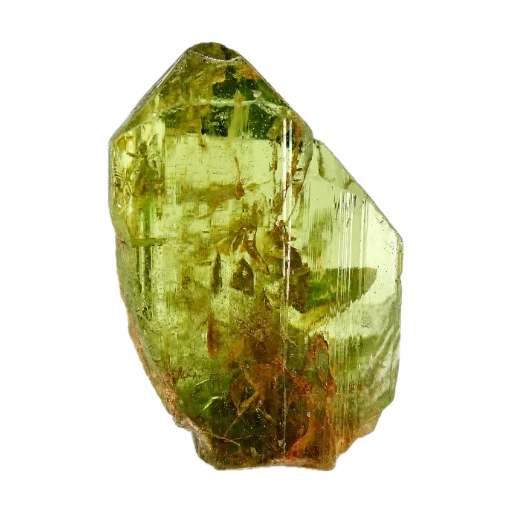
Dark gray to black, with grains too small to see. It feels heavier than granite. Some pieces hold small round holes left by gas bubbles, or scattered green olivine crystals.
How much is basalt worth?
At average quality, a walnut-sized rough piece (about 42 g) is worth under $1; a 1 kg rough piece, $6 to $9.
| Specimen | Ordinary | Average | Fine |
|---|---|---|---|
| Rough piece, walnut-sizedabout 42 g | under $1 | under $1 | under $1 |
| Rough piece, 1 kg | $5 to $7 | $6 to $9 | $8 to $12 |
Ordinary quality: dull, opaque or chipped. Fine quality: vivid color, clean and translucent stone.
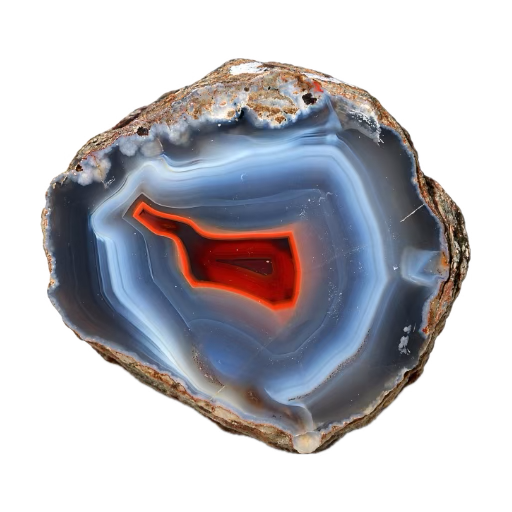
A piece of basalt finds no buyer: the few dollars in the table match the price of a labeled sample sold in a shop. Basalt is sold mostly in bulk as aggregate, ballast or building stone, with the price reflecting extraction and transportation costs. A collector is only interested if the piece carries fine green olivine grains or cavities filled with agate.
These figures are orders of magnitude from Kaillou’s calculator: an estimate, not an appraisal. For a piece that looks exceptional, ask a gemologist. How the calculator works.
Where to find basalt
Wherever lava has flowed, including Iceland, Hawaii, the Deccan Plateau of India and the Columbia River region of the United States. Cooling lava often splits into tall six-sided columns.
In France, basalt columns are found mostly in the Massif Central. Near Le Puy-en-Velay, the Orgues rock of Espaly-Saint-Marcel, in the Haute-Loire, was formed by a lava flow from the old Mont Denise volcano. Some of its columns reach 20 meters, and the site has been protected since 1910. In the Hérault, the Saint-Étienne cathedral in Agde, begun in the 12th century, is built of black volcanic stone from Mont Saint-Loup.
Basalt history and lore
The word was used for black volcanic rock by the German scholar Georgius Agricola in 1546. Basalt has long served as road stone, building stone and, in modern times, as a raw material for fibers.
Irish legend says the giant Finn McCool built the basalt columns of the Giant's Causeway.